Amazon store design for Brand Stores, A+ content and your own site
Amazon store design from OC Designs covers your Amazon Brand Store, the A+ content on your product pages and, if you want one, a website of your own with stock kept in step with Amazon. Our in-house New Jersey team designs each part, with a fixed quote before work starts.
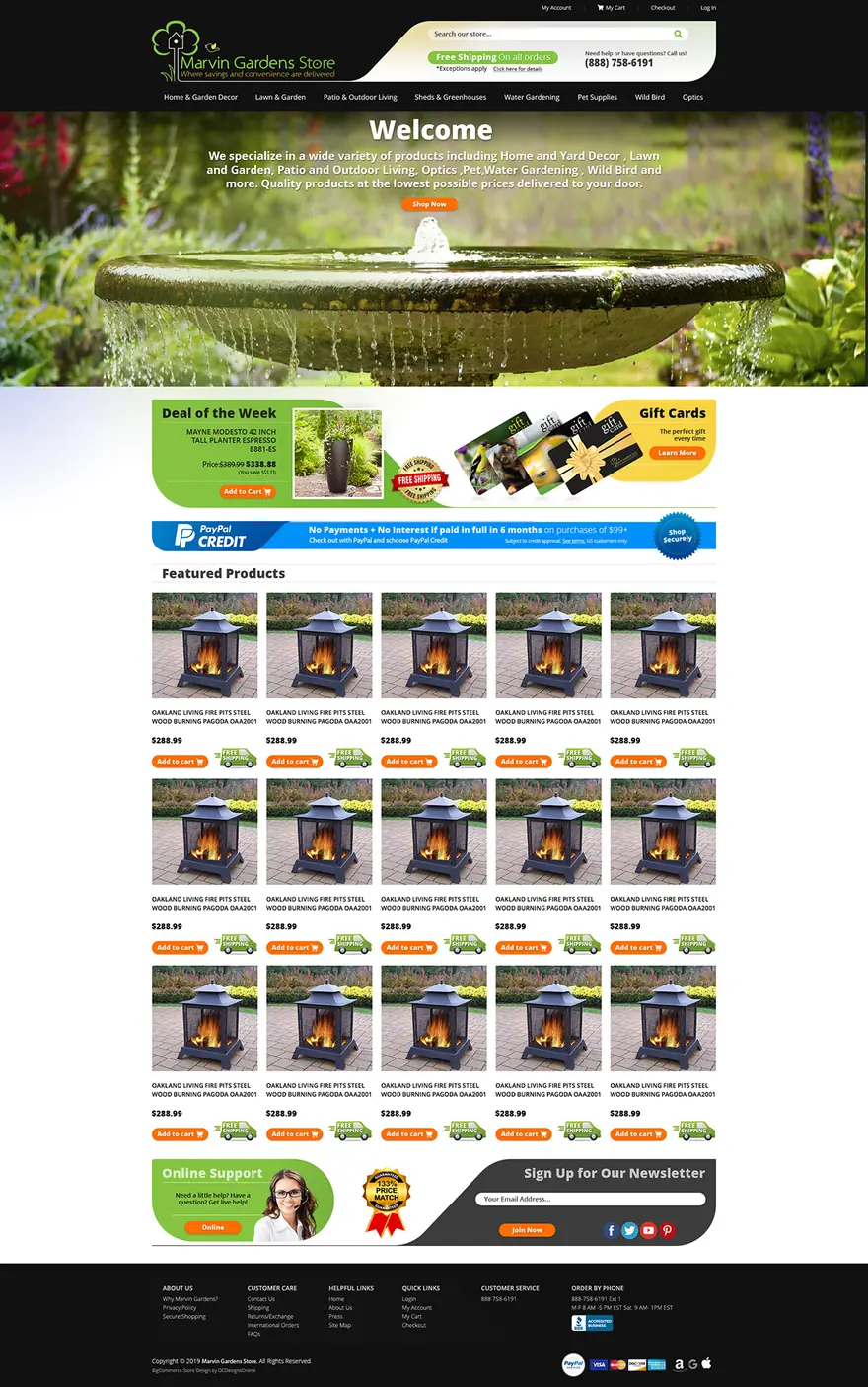
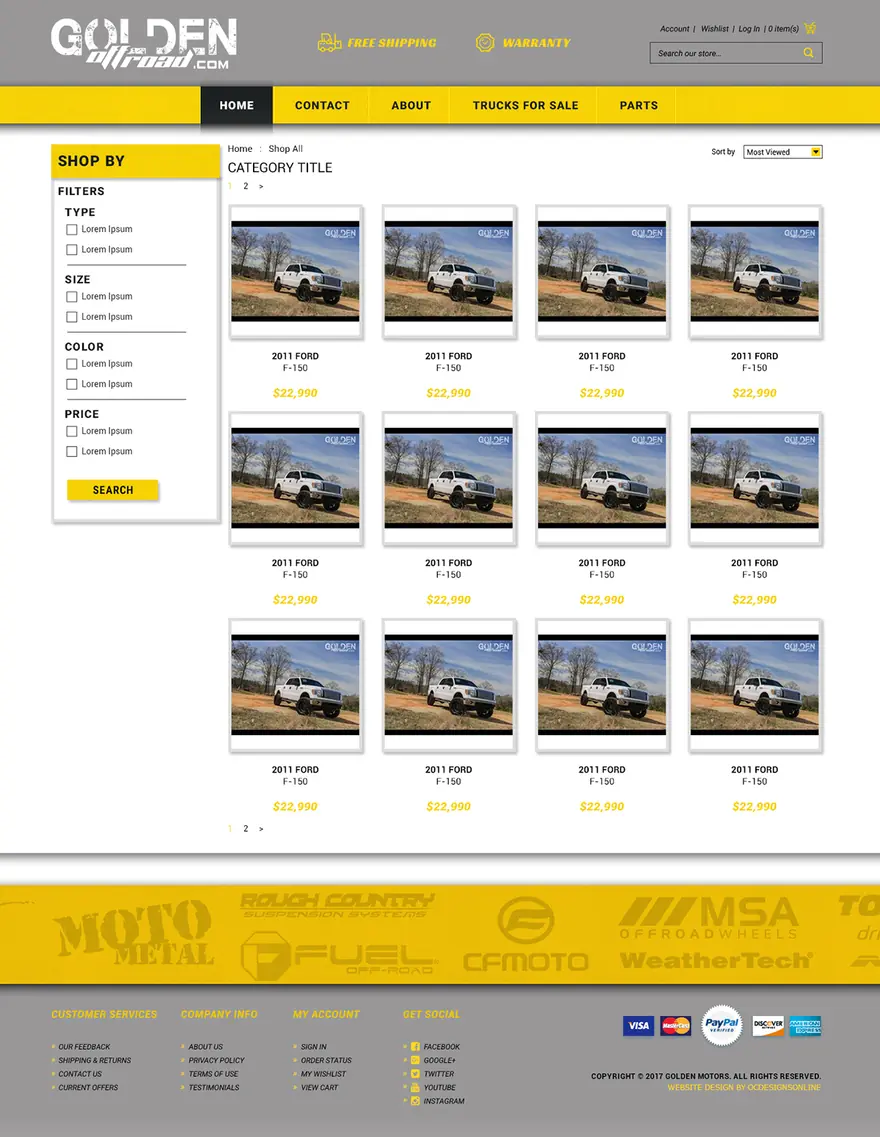
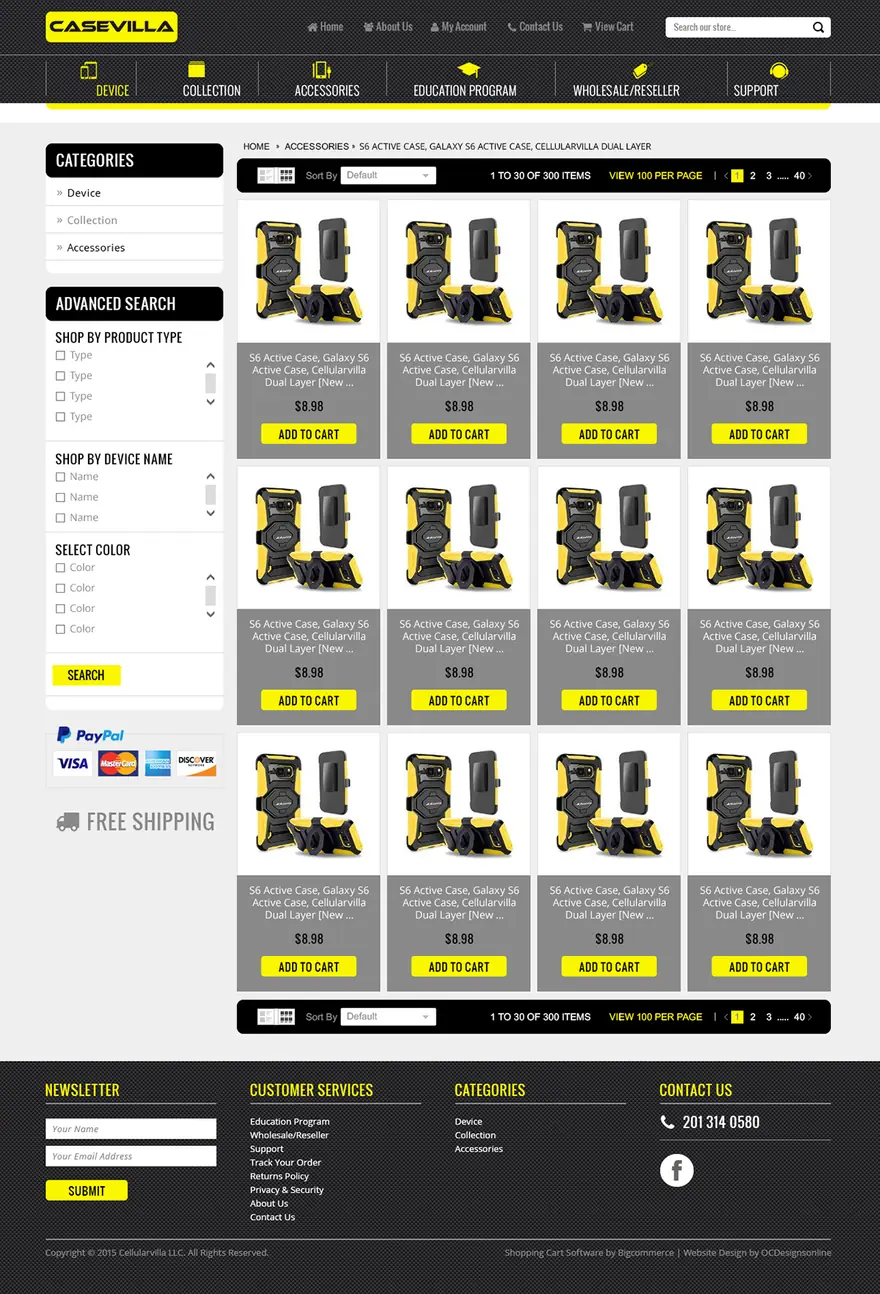
Amazon closed its Webstore service on July 1, 2016. We designed Amazon Webstores until then, and today we design Amazon Brand Stores, A+ content and sellers’ own websites.
Why it matters
What our Amazon store design includes
Amazon store design starts with the two places on Amazon that a brand controls. Your Brand Store, which many sellers call an Amazon storefront, is a multi-page store inside Amazon with a short amazon.com address, reached from the brand link on your listings, from Sponsored Brands ads and from links you share. A+ content is the designed section of images and text below the listing on each product page. Both are open to brands enrolled in Amazon Brand Registry, so the first thing we check is how your account is set up.
We plan the Store around your product lines, design its pages and tiles for desktop and the Amazon app, and design A+ modules for each product or product family. Basic A+ works for any registered brand, and we design Premium A+ when Amazon offers it to yours. We write the copy as well, inside Amazon’s content rules, and we fix and resubmit anything Amazon’s review sends back.
You choose how the work reaches Amazon. We can build it in your account if you add us as a user, or we send the finished images and text, sized for each module, for your team to upload in Seller Central.
Many Amazon brands also want a store on their own domain, where buyers from Google, email and social media check out and their email address comes with each order. We design those on Shopify, BigCommerce and WooCommerce, give them the look of your Brand Store, and keep stock in step with Amazon through SalesChannelHub, the inventory and order software we built, or through Amazon’s Multi-Channel Fulfillment when your stock sits in Amazon’s warehouses.
Frannie Kline founded OC Designs Online in 2005. We designed Amazon Webstores until Amazon closed that service in 2016, and our family-owned team in New Jersey has designed stores for marketplace sellers ever since.
Tell us about your storeWhat you get
Amazon Brand Store design
A home page and a page for each product line, laid out in Amazon’s Store builder sections and tiles, checked on desktop and the Amazon app.
Basic A+ content
Image, text and comparison modules for each listing or product family, with charts that point shoppers to your other products.
Premium A+ content
Larger images, video, hotspots and carousels for brands Amazon has made eligible, designed from the same brand kit.
Brand Story
The scrolling brand panel above A+ content, which tells shoppers who you are and links to your products and Brand Store.
Copy written to Amazon’s rules
Headlines, captions and image text that stay clear of what Amazon rejects, such as prices, promotions, links and review quotes.
Built in your account, or ready to upload
We build the Store and A+ modules if you add us as a user, or hand over finished files and text for your team.
Your own Shopify, BigCommerce or WooCommerce store
A website on your own domain with the look of your Brand Store, for buyers who find you on Google, email and social media.
Stock and orders in sync with Amazon
One stock count across Amazon and your website through SalesChannelHub, or website orders shipped from FBA stock through Amazon MCF.
Your options
Brand Store, A+ content and your own website
Each one does a different job, and many brands use all three. This is how they compare as of October 2026.
| Amazon Brand Store | A+ content | Your own website (Shopify, BigCommerce or WooCommerce) | |
|---|---|---|---|
| What it is | A multi-page store inside Amazon, with a short amazon.com address for your brand | Designed images and text below the listing on each product page | A store on your own domain, designed for your brand and catalog |
| Who can have it | Sellers on the Professional plan, registered for Amazon Ads, whose brand is in Amazon Brand Registry (pending or registered trademark), plus vendors and agencies | A Professional account with a Brand Representative or Reseller role on a Brand Registry brand, for brand-owned ASINs only | Anyone with products to sell |
| How it is built | Amazon’s Store builder in Seller Central or the Amazon Ads console, from templates, sections and tiles | A+ Content Manager in Seller Central, from fixed modules | A custom theme on the platform you choose |
| Before it goes live | Amazon reviews each version of the Store | Amazon reviews each A+ submission | You publish when you are ready |
| Where shoppers come from | Amazon search, the brand link on your listings, Sponsored Brands ads and links you share | Your product pages on Amazon | Google, email, social media, ads and returning customers |
| Customer details and links | Amazon keeps buyer details; links only go to Amazon pages | Amazon keeps buyer details; no links off Amazon | Names and emails come with each order; links can go anywhere |
| Cost to run | No charge from Amazon to build or keep it; selling fees apply to each sale | No charge from Amazon for eligible brands | A platform plan and payment fees, plus MCF fees for any order Amazon ships |
Source: Amazon Ads: Brand Stores · Amazon: creating an Amazon storefront (Brand Store) · Amazon: A+ content · Amazon: selling fees · Amazon Selling Partner API data use policy
Recent work
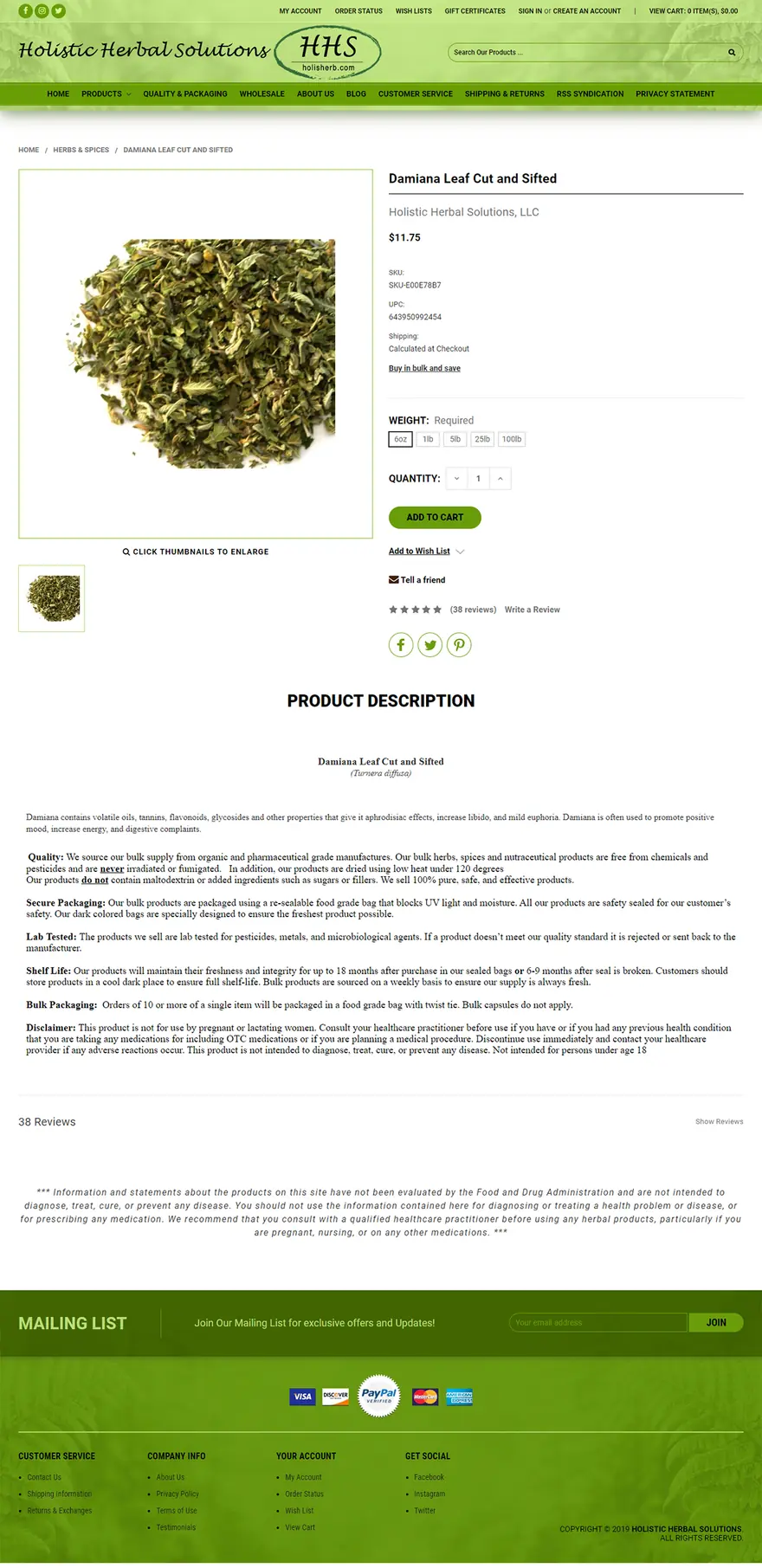
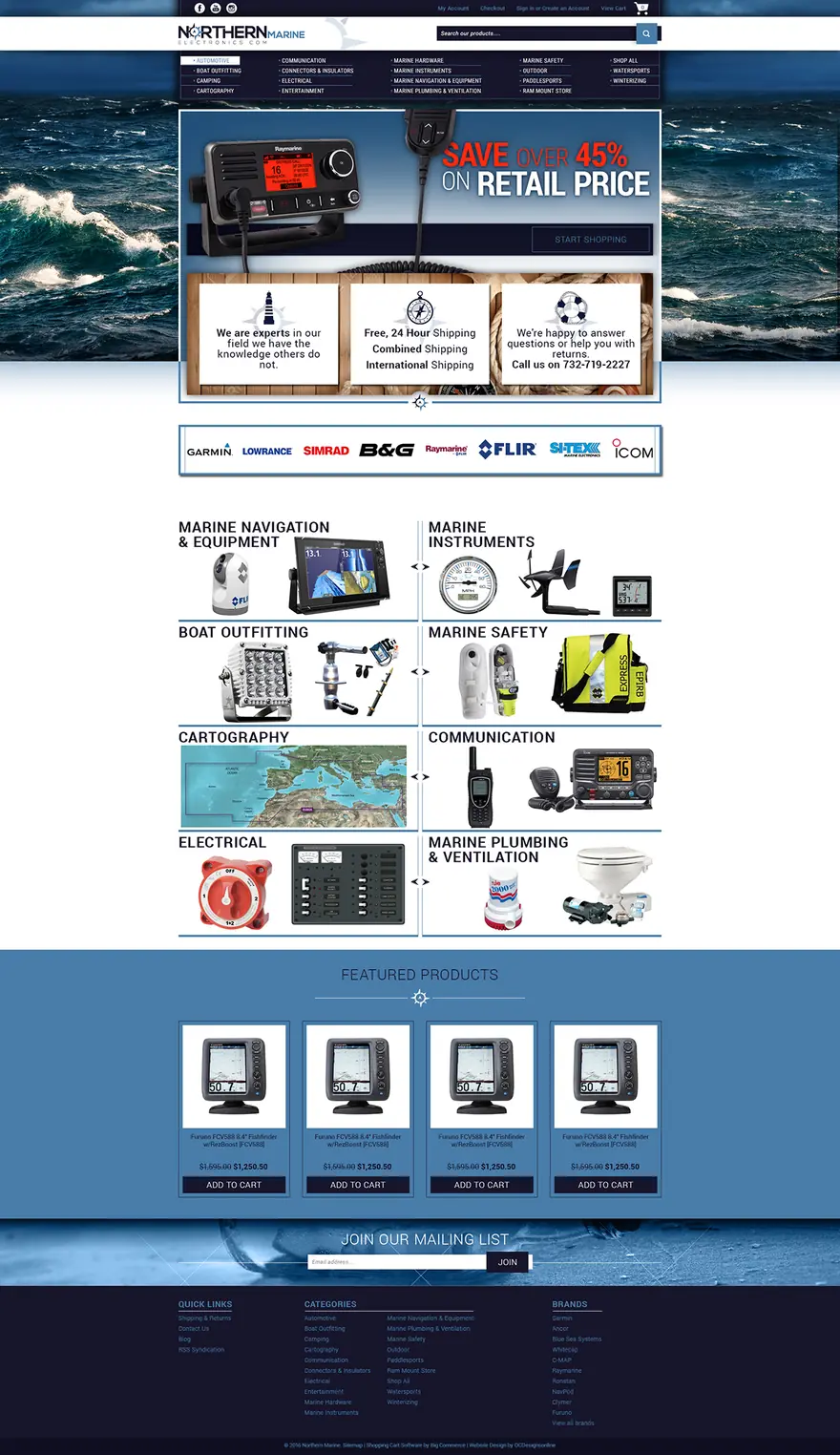
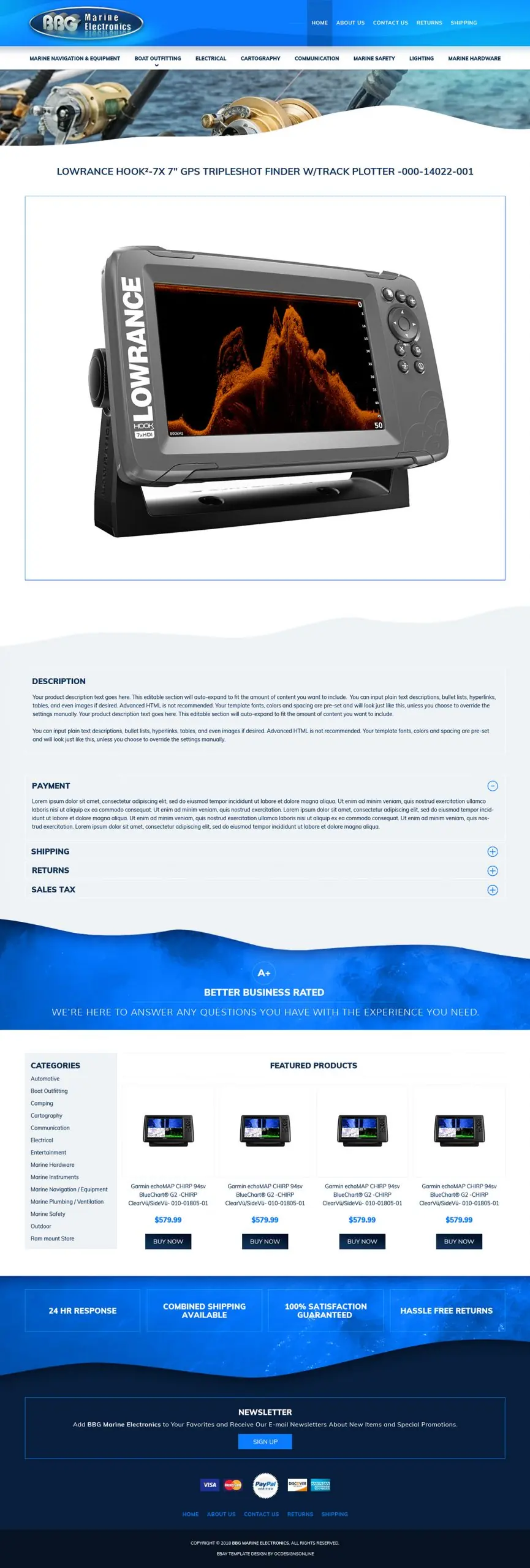
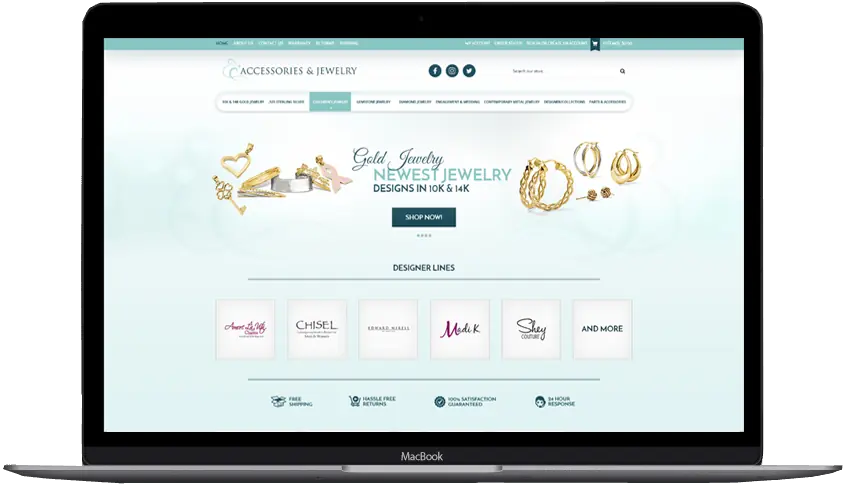
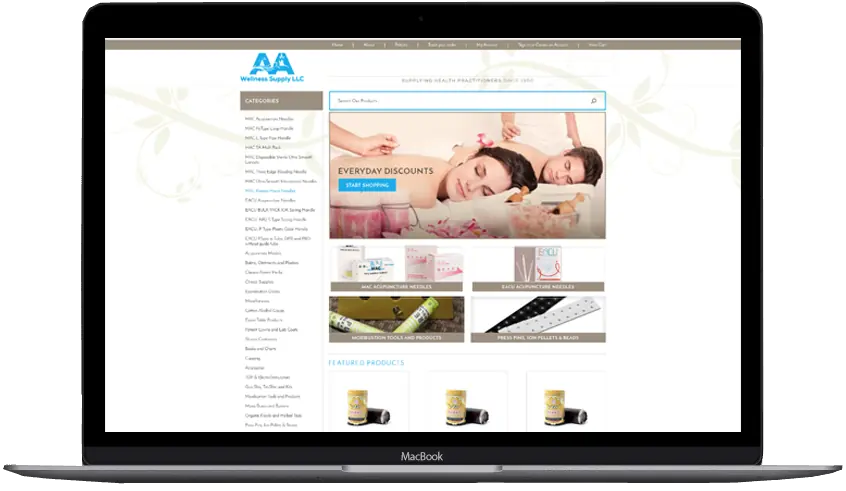
Shopify and BigCommerce stores we designed
Specs
Brand Store and A+ content specs, as of October 2026
Amazon updates these from time to time, so treat them as a snapshot of what its own pages said in October 2026.
| Item | What Amazon asks for |
|---|---|
| Store pages | No page limit is published. Amazon suggests at least three levels of pages, starting with the home page, and offers Marquee, Highlight and Product Grid templates or a blank page. |
| Sections per Store page | Up to 20 sections plus the built-in header, using text, image, image with text, shoppable image, video, background video, product, product grid and gallery tiles. |
| Store header | Hero image at least 3,000 × 600 px and brand logo at least 400 × 400 px, each up to 5 MB. Up to 30% of the hero image can be cropped on some screens. |
| Store image tiles | Up to 5 MB each. Desktop minimums are 1,500 × 1,500 px for large, 1,500 × 750 px for medium and 750 × 750 px for small tiles. Amazon discourages text inside images. |
| Store video | MP4 files with the H.264 codec. Video tiles need a cover image, and full-width video is at least 1,280 × 640 px. Background video runs 2 to 20 seconds. |
| Store review and insights | Amazon reviews each version before it goes live, usually in under 24 hours, though its builder help says this can take several days. Store insights report visitors, views, sales and orders, and where the traffic came from. |
| A+ modules | Up to 5 Basic A+ modules per ASIN, or up to 7 with Premium A+. Images up to 2 MB. Pixel sizes are set per module in A+ Content Manager. |
| Premium A+ | Offered in A+ Content Manager to brands that meet Amazon’s criteria. In 2026 Amazon staff named a published Brand Story on every brand-owned ASIN and at least 5 approved A+ submissions in the past 12 months. It adds larger images, 720p video, hotspots, carousels and Q&A modules. |
| A+ review | Amazon staff say A+ submissions are typically approved within 7 business days. |
| Access for a design agency | A brand administrator can invite users in Brand Registry, and the Brand Representative role opens A+ content and Stores. The Amazon Ads console can also give a creative agency access to the Stores builder only. |
Source: Amazon Ads: Stores creative specs · Amazon Stores help: page templates · Amazon Stores help: insights metrics · Amazon: creating an Amazon storefront · Amazon: A+ content design guide · Amazon Seller Forums (Amazon staff): Premium A+ eligibility · Amazon Seller Forums (Amazon staff): A+ review time · Amazon: Brand Registry roles · Amazon Seller Forums (Amazon staff): roles for A+ and Stores · Amazon Ads: custom access controls
Free consultation
Book a free consultation for Brand Store and A+ content design
Tell us about your brand, how many products you sell on Amazon and whether you need a Brand Store, A+ content, your own website or all of them. We reply within one business day and send a fixed quote after we talk.
- Fixed price before any work starts
- You approve each design before it goes to Amazon
- Your listings stay live while we work
- You own the finished designs
Prefer to talk? (609) 675-0912, Monday to Friday, 9 to 5 ET.
Amazon’s rules
What Amazon won’t approve in a Store or A+ content
Amazon checks every Store page and A+ module against its content rules and sends back the ones that break them. As of October 2026, these are the rules we plan each design around.
| What Amazon rejects | How we design for it |
|---|---|
| Links, web addresses, email addresses, phone numbers, social handles and QR codes | Buttons and tiles point to your products, a product grid or another Store page. Your website and social accounts stay off Amazon. |
| Prices, discounts, shipping details and time-limited offers | Copy sticks to the product and the brand. In a Store, deals appear only through Amazon’s Featured Deals tile. |
| Customer reviews, star ratings and quotes from buyers | Images show sizes, materials, fit and how the product is used, so shoppers get the detail reviews would give. |
| Claims such as “best-selling” or “top-rated”, urgency words, and claims you can’t back up | Claims stay specific, and anything we say about the brand is backed up on the same page. |
| Warranty or guarantee wording in A+ text | We leave warranty and guarantee terms out of A+ text placements. |
| Comparisons with competitor brands | Comparison charts compare your own products, which also points shoppers to the rest of your range. |
Source: Amazon Stores help: content acceptance policy · Amazon: A+ content design guide · Amazon KDP: A+ Content guidelines · Amazon Seller Code of Conduct
Cost
What decides the cost of your Amazon design project
Every project gets a fixed quote after a free consultation, since a brand with five products and one with two hundred listings need very different work. These are the things that move the number.
| What we look at | Why it changes the work |
|---|---|
| Brand Store pages | A home page with a few product line pages is the core. Each extra sub-page, and any video or shoppable image tiles, adds design time. |
| Products that need A+ content | One A+ design can often cover a family of similar products with small changes. Products that differ a lot each need modules of their own. |
| Basic or Premium A+ | Premium A+ has more modules, larger images and video, so each product page takes more design and copy work. |
| The images you have | We design from the product and lifestyle photos you own. With fewer photos, more of each module becomes graphics, such as icons, diagrams and comparison images. |
| Copy | We write the headlines, captions and image text for every module. Technical products with long spec lists take longer to write for. |
| Your own website | The number of page designs, the size of your catalog and the sync you choose set the website part of the quote. SalesChannelHub runs on its own monthly plan. |
| Other channels | An eBay store design, or Walmart and Etsy connections, can be added to the same project. |
Already on Amazon
Send us your Brand Store or a listing link
Paste the address of your Brand Store, one of your product listings or your website. We look at it before we talk, so the consultation starts with what you have now.
- Your listings stay live while we design
Prefer to talk? (609) 675-0912, Monday to Friday, 9 to 5 ET.
Your own website
Your own website, with stock in step with Amazon
A Brand Store keeps shoppers on Amazon. Your own website reaches buyers on Google, email and social media, and we design it on Shopify, BigCommerce or WooCommerce. Where your stock sits, in your own warehouse or in Amazon’s, decides how it stays in step with Amazon. These are the main options as of October 2026.
| Option | What it does | A good fit when |
|---|---|---|
| SalesChannelHub (our software) | One stock count and one order queue across Amazon, eBay, Shopify, Walmart, Etsy, TikTok Shop, WooCommerce and BigCommerce. | You ship orders yourself and sell on more than two channels |
| Amazon Multi-Channel Fulfillment (MCF) | Amazon picks, packs and ships your website orders from the stock you keep in its warehouses, in unbranded boxes by default. Amazon’s own app connects it to Shopify, and partner apps connect BigCommerce and WooCommerce. | Most of your stock already sits in FBA |
| Buy with Prime | Adds Prime checkout, delivery and returns to your own site, shipped through MCF from stock in Amazon’s warehouses. Open to US businesses only. Shopify has an app; other platforms add Amazon’s widget code. | Your products are FBA eligible and your buyers already shop with Prime |
| Shopify Marketplace Connect | Shopify’s own app. It links your Shopify products to their Amazon, eBay, Walmart and Target Plus listings and syncs orders and stock with Shopify admin. | Shopify is your main catalog and you sell on one or two marketplaces |
Source: Amazon: Multi-Channel Fulfillment · Amazon MCF app for Shopify · Buy with Prime requirements · Shopify Help: Marketplace Connect
Our own software
SalesChannelHub, the inventory software we built
The multichannel inventory and order software we built: one stock count and one order queue across eight channels, with purchasing, warehouse and returns tools underneath.
What moves
What moves from Amazon to your own website
Some of your Amazon business is yours to take with you, and some of it belongs to Amazon. Your Amazon listings stay live the whole time we build.
| Part of your Amazon business | Can it move? | What we do |
|---|---|---|
| Titles, bullet points and descriptions | Yes, from Seller Central reports and your listings | Rewrite them for your own buyers and for Google |
| Product photos and videos | Yes, when you own them or hold the rights | Resize and compress them for fast pages |
| A+ content | Your own images can be reused; the A+ modules stay on Amazon | Rebuild them as sections on your product pages |
| Customer reviews | They can’t be copied; Buy with Prime sellers can show their Amazon reviews on their own product pages | Set up a review app and review request emails for website orders |
| Customer list | No; Amazon masks buyer emails, and its data rules bar marketing to Amazon customers | Build your own list from website orders and sign-ups |
| ASINs, sales rank and Amazon addresses | No; they belong to Amazon | Keep your SKUs and UPCs so the sync matches products on both channels |
Source: Amazon Selling Partner API data use policy · Buy with Prime: Reviews from Amazon
Choosing an agency
How to choose an Amazon store design agency
These questions sort out quickly who builds what. Each one has the answer to listen for and the answer we give.
| Question to ask | A good answer | Our answer |
|---|---|---|
| Do you design Brand Stores and A+ content, or only websites? | A clear list of what you get | Both, plus your own website and an eBay store if you sell there |
| Do you know Amazon’s content rules? | Specific rules, and a plan for rejections | We design to Amazon’s guidelines and resubmit anything its review sends back |
| How will the work reach Amazon? | A clear answer about account access | We build it in your account if you add us as a user, or send files ready to upload |
| How will stock stay right on Amazon and my website? | A named tool and a test plan | SalesChannelHub, our own software, or Amazon MCF, checked with test orders before launch |
| Who owns the designs after launch? | You do | You do, once the project is paid |
| Who does the work, and is the price fixed? | A team you can call, and a written quote | Our in-house team in New Jersey, with a fixed quote after a free consultation |
How we work
How a Brand Store and A+ project runs
One project manager from the first call to launch. Your quote includes the timeline, and most custom websites take about six weeks.
Start with the questionnaire-
Consultation and quote
We look at your listings and Brand Store, check your Brand Registry setup and which A+ options your account shows, and send a fixed quote.
-
Design previews
You see each Store page, A+ layout and website page as a real design with the copy in place, and approve it before anything goes live.
-
Build and submit
We build the Store and A+ modules in your account or hand over files for your team to upload, then submit them for Amazon’s review. Websites are built, connected to Amazon and checked with test orders.
-
Launch and support
After launch we show your team how to update the Store and website, and the same team answers the phone Monday to Friday, 9 to 5 ET.
Client words
Sellers say it better than we can
-
We started with an eBay store and eBay listing. This had my sales skyrocket in ways I would have never thought. Taking the same design scheme and moving it to a website makes branding everything tie together.
Modern PrepeBay store, listing template & website
-
Frannie and OC Designs did an AMAZING job redesigning our Stun & Run Self Defense website. … We were not wrong.
Stun & Run Self DefenseBigCommerce store redesign
-
They were super friendly and open to feedback throughout the entire process. The in-depth questionnaires really helped us relay exactly what we wanted our new site to look like.
Kyrie VanOverWebsite makeover
-
Our customers and peers comment all the time about how professional our storefront appears and how clean and crisp our listings are. Most responsive company, delightful to work with. Highest recommendation.
ConnectiblesCustom eBay store
-
OCD is great to work with and very responsive! More importantly they still support you long after the sale.
Jeff ArkelleBay design client
-
They lived up to their reputation, their claims, their portfolio, their reviews, and genuinely went above and beyond in explaining and guiding us every step of the way. … You will have tremendous success with what is — we can assure you — marginal costs compared to other so-called professionals.
Sprinkler HutShopify & BigCommerce store
-
We have been working with the team at OCdesigns for the last six years. They are always fast to reply to our requests, and our project manager is always on top of everything to do with our job. Hire OCdesigns, you will not be sorry!
Northern Marine ElectronicseBay & BigCommerce redesign
-
They are real people in the USA that can be reached in a variety of ways. Yes, they have a phone number and answer their calls!
Modern PrepLong-time client
Good questions
Questions about Amazon store design
Something else on your mind? Call (609) 675-0912 and a real person answers.
How our projects workWhat is Amazon store design?
Amazon store design is the design of the pages a brand controls on Amazon. That covers the Brand Store, a multi-page store with its own amazon.com address, and A+ content, the images and text below the listing on each product page. We design both, and many brands add a website of their own with the same look.
Do you design Amazon Brand Stores and A+ content?
Yes. We design Brand Store pages, Basic A+ content, Premium A+ content for brands Amazon has made eligible, and the Brand Story panel. We also design sellers’ own websites on Shopify, BigCommerce and WooCommerce, so every channel shares one look.
Who can create an Amazon Brand Store?
Sellers on Amazon’s Professional plan whose brand is enrolled in Amazon Brand Registry, which needs a pending or registered trademark. Vendors and agencies working for a brand can create one too. If your brand isn’t enrolled yet, Brand Registry comes first, and the design can be planned while that is in progress.
Do I need followers to make an Amazon storefront?
No. Follower counts matter for the Amazon Influencer Program, where creators build storefronts of products they recommend. A Brand Store is for brand owners and depends on Brand Registry, so the size of your social following makes no difference.
What is the difference between Basic and Premium A+ content?
Basic A+ gives every Brand Registry brand a set of image, text and comparison modules for each product page. Premium A+ adds larger images, video, hotspots, carousels and question-and-answer modules, and allows more modules per page. Amazon offers Premium in A+ Content Manager once a brand meets its criteria, which have included a Brand Story on every brand-owned product.
How much does Amazon store design cost?
It depends on the number of Brand Store pages, how many products need A+ content, whether you qualify for Premium A+, the photos you already have, and whether you want your own website too. After a free consultation we send a fixed quote that doesn’t change once work starts. Amazon itself doesn’t charge brands to build a Brand Store or publish A+ content.
Do you upload the designs, or do I?
Either way works. We can build the Brand Store and A+ modules in your account if you add us as a user, which Amazon allows through Brand Registry and the Amazon Ads console. Or we send the finished images and text, sized for each module, ready for your team to upload in Seller Central.
How long does Amazon take to approve a Brand Store or A+ content?
Amazon reviews every new Store version and every A+ submission before shoppers see it. Store reviews are often quick, A+ reviews usually take longer, and either can take extra days. We plan that wait into the schedule, and we fix and resubmit anything Amazon sends back.
Can my Brand Store or A+ content link to my own website?
No. Amazon’s seller rules bar sending Amazon shoppers to another website, so Store pages and A+ modules can’t carry web addresses, QR codes or social handles. Links the other way are fine, so your website can point to your Amazon listings and Brand Store.
Do I still need my own website if I have a Brand Store?
A Brand Store only reaches people already shopping on Amazon, and Amazon keeps their customer details. A website on your own domain can rank on Google for your brand name, take orders that come with the buyer’s real email address, and grow your own email list. Many of our clients run both, with stock kept in step between them.
How do you keep stock in step between Amazon and my website?
We connect them through SalesChannelHub, the inventory and order software we built, which keeps one stock count across Amazon, your website and other marketplaces. If your stock sits in Amazon’s warehouses, Amazon Multi-Channel Fulfillment can ship your website orders from your FBA stock instead.
What happened to Amazon Webstore?
Webstore was Amazon’s service for running a seller’s own branded website. Amazon told Webstore merchants in March 2015 that it would close the service, and in September 2015 it named Shopify as the preferred place to move. Webstore stopped taking orders on May 1, 2016, and closed on July 1, 2016.
Do I own the designs?
Yes. Once the project is paid, the Brand Store images, A+ modules and website design are yours, along with the website’s theme files. You can reuse them, change them later or hand them to another designer.
Related services
- SalesChannelHubOur own inventory and order software for eight sales channels.Learn more
- Shopify store designCustom Online Store 2.0 themes, custom sections and migrations, with a fixed quote. You own the theme.Learn more
- BigCommerce store designCustom Stencil themes, redesigns and moves to BigCommerce, built in-house with a fixed quote.Learn more
- eBay, Shopify & BigCommerce syncTwo-way sync between eBay and your own Shopify or BigCommerce store (catalog, price, quantity and orders), proven on a 70,000-listing catalog.Learn more
Start a project
Let’s make yours the store buyers remember.
- Fixed quote before any work starts
- In-house team in New Jersey, no outsourcing
- Support long after launch
Prefer to talk? (609) 675-0912 · frannie@ocdesignsonline.com